




Performance Dodge Chrysler Jeep Ram
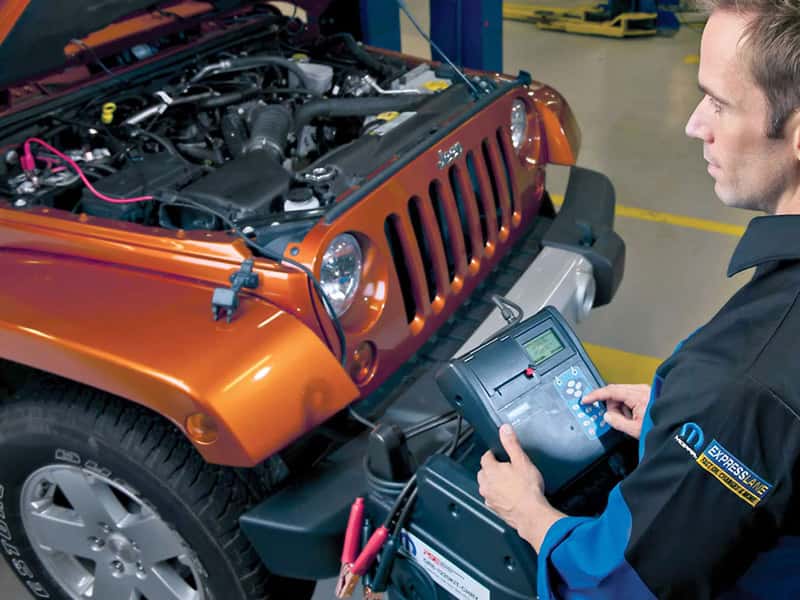
Louisiana summers push electrical systems to their limit, and extreme heat wears down a car battery just as effectively as any freeze ever could. Performance Dodge Chrysler Jeep Ram tests batteries year-round for drivers across Ferriday and the surrounding parishes, since heat-related failures often happen without any real warning. Whether you drive a Jeep, Dodge, Ram, or Chrysler vehicle, our technicians can accurately measure cranking power and charging output, then advise honestly on whether a replacement is worth considering. Booking a battery check before the hottest months arrive is one of the easiest ways to avoid an inconvenient breakdown at the worst possible time.
Starting the engine is only the beginning of what a car battery actually does. It stabilizes the voltage across the entire electrical system, powers onboard modules, and maintains memory settings when the vehicle is parked for extended periods. Today’s vehicles depend on a steady electrical supply for everything from infotainment to safety sensors, meaning a struggling battery can cause problems unrelated to starting the engine. Slow cranking, flickering interior lights, or a dashboard warning are often the first clues that the voltage output has dropped below its normal level. Because nearly every system draws from the same source, a tired battery rarely stays a small problem for long.
A battery in decline usually gives off a handful of warning signs before it finally gives up completely. Listen for a slow, labored crank, or a single clicking sound when you turn the key, and watch for headlights or dash lights dimming at idle. Corrosion around the terminals, a bulging case, or a sulfur-like smell under the hood point to a battery that’s already struggling internally. None of these symptoms tends to improve on its own, and putting off a replacement risks leaving you stranded or straining the alternator, which is working overtime to compensate. Addressing early warning signs saves both money and inconvenience compared to dealing with a full failure.
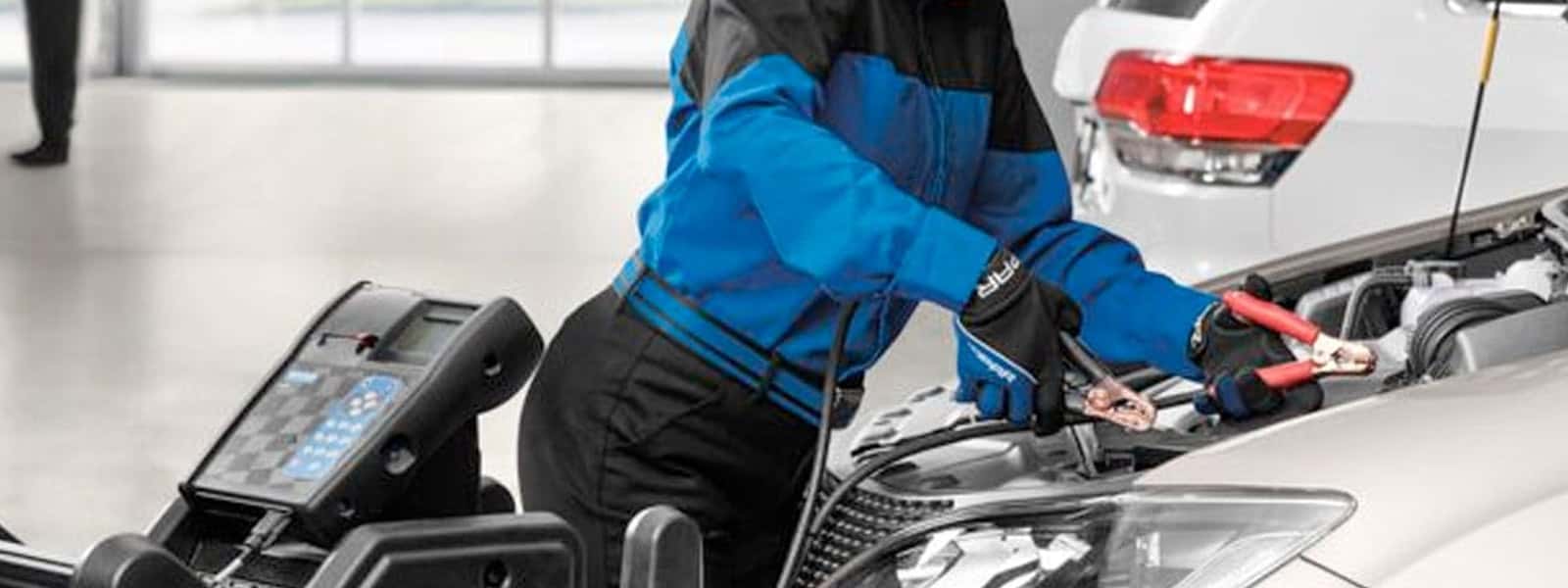
Performance Dodge Chrysler Jeep Ram, located at 6100 US-84 in Ferriday, Louisiana, offers battery testing that takes minutes and answers that don’t waste your time. Our technicians check cranking amps, charging performance, and terminal condition using professional equipment, then recommend a correctly specified replacement battery only when one is genuinely needed. We know Louisiana heat is tough on batteries, so our service advisors work hard to get you back on the road quickly and without hassle. Call (318) 757-6700 or stop by our service department to have your battery checked by a team that respects your time.
Heat accelerates the internal chemical reactions inside a battery, causing fluid to evaporate and internal components to corrode faster than they would in milder climates. This means batteries in hot regions often fail sooner than the standard three-to-five-year estimate suggests. Testing a battery every summer helps catch declining performance before it becomes a real problem.
Batteries don’t always announce their decline clearly, especially when heat has been quietly damaging internal components for months. A battery can test fine one week and fail completely the next once a critical threshold is crossed. This is exactly why routine testing matters more than waiting for obvious symptoms.
Yes, a failing alternator often produces symptoms nearly identical to a dying battery, including dimming lights, slow starts, and eventual stalling. The key difference is that a bad alternator typically lets the vehicle start once, then struggle to stay running as the battery drains further. A diagnostic test distinguishes between the two so the correct part gets replaced.
Checking and cleaning battery terminals during every routine service visit helps prevent corrosion from building up enough to interrupt the electrical connection. Terminals exposed to humidity and heat tend to corrode faster than those in drier climates. A quick cleaning is inexpensive and can prevent starting issues down the line.
Yes, high heat causes batteries to self-discharge more quickly than they would in cooler conditions, since warmer temperatures speed up the internal chemical processes responsible for holding a charge. Vehicles parked outside in direct sun are especially prone to this effect. Regular driving helps offset the faster discharge rate somewhat, but testing remains the best way to confirm battery health.
A swollen or bulging battery case is a clear sign of internal damage, usually caused by excessive heat or overcharging, and it should be replaced right away rather than monitored. Continuing to use a swollen battery increases the risk of leaking acid or sudden failure. This is not a symptom to wait out.
Testing before a long drive gives you a clear picture of remaining battery life and charging performance, so you’re not gambling on an aging battery holding up under extended use. A battery that seems fine around town can still fail under the added strain of a longer trip. A quick test takes only a few minutes and offers real peace of mind.
Yes, prolonged exposure to extreme heat degrades a battery’s internal components gradually, shortening its overall lifespan even if it continues to start the vehicle for now. This kind of damage often isn’t obvious until the battery finally fails outright. Periodic testing helps track this gradual decline before it results in an unexpected breakdown.


