




Performance Dodge Chrysler Jeep Ram
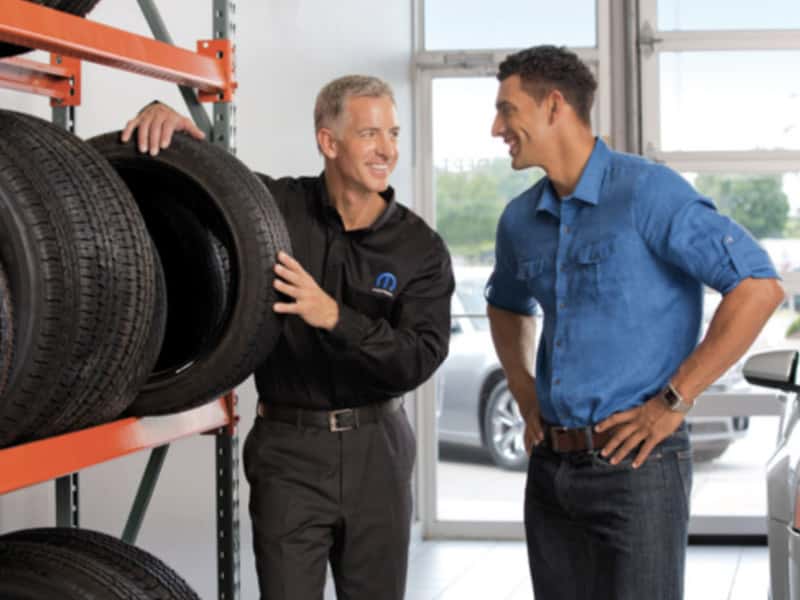
Hot pavement, rural highways, and long stretches of summer heat all take a toll on tires faster than most drivers expect. Performance Dodge Chrysler Jeep Ram offers rotations, balancing, pressure checks, and replacements for drivers throughout Ferriday and the surrounding parishes. Our technicians service tires on Jeep, Dodge, Ram, and Chrysler vehicles with the same level of care, checking tread depth and inflation at every visit, regardless of make. Staying ahead of tire wear improves handling, extends tire life, and helps you avoid an unexpected blowout on a hot highway. A short visit now is a small price to pay for peace of mind on longer drives.
Tires are the only part of your vehicle actually touching the road, so their condition shapes traction, braking distance, handling, and overall ride quality. Correct inflation lets the full tread surface make contact evenly, which affects both grip and how evenly tires wear over their lifespan. Rotating tires on a regular schedule promotes balanced wear across all four positions, since front and rear tires rarely wear at the exact same rate. Neglected tires can hurt fuel economy, reduce handling in sudden rain, and add unnecessary stress to suspension components over time. Small, consistent care goes a long way toward keeping all of these factors in check.
Uneven tread wear, cracks forming along the sidewall, or a tire that feels softer than the others are all signs worth checking out right away. A vibration through the steering wheel at highway speed often points to an unbalanced tire or a bent wheel, while a persistent pull to one side usually signals a pressure or alignment issue. Tread depth near the built-in wear bars means traction is fading and replacement is approaching. Letting these signs go unaddressed increases stopping distance, raises the risk of blowouts in summer heat, and can lead to more costly suspension repairs down the line. A quick look at your tires now can spare you a much bigger headache later.
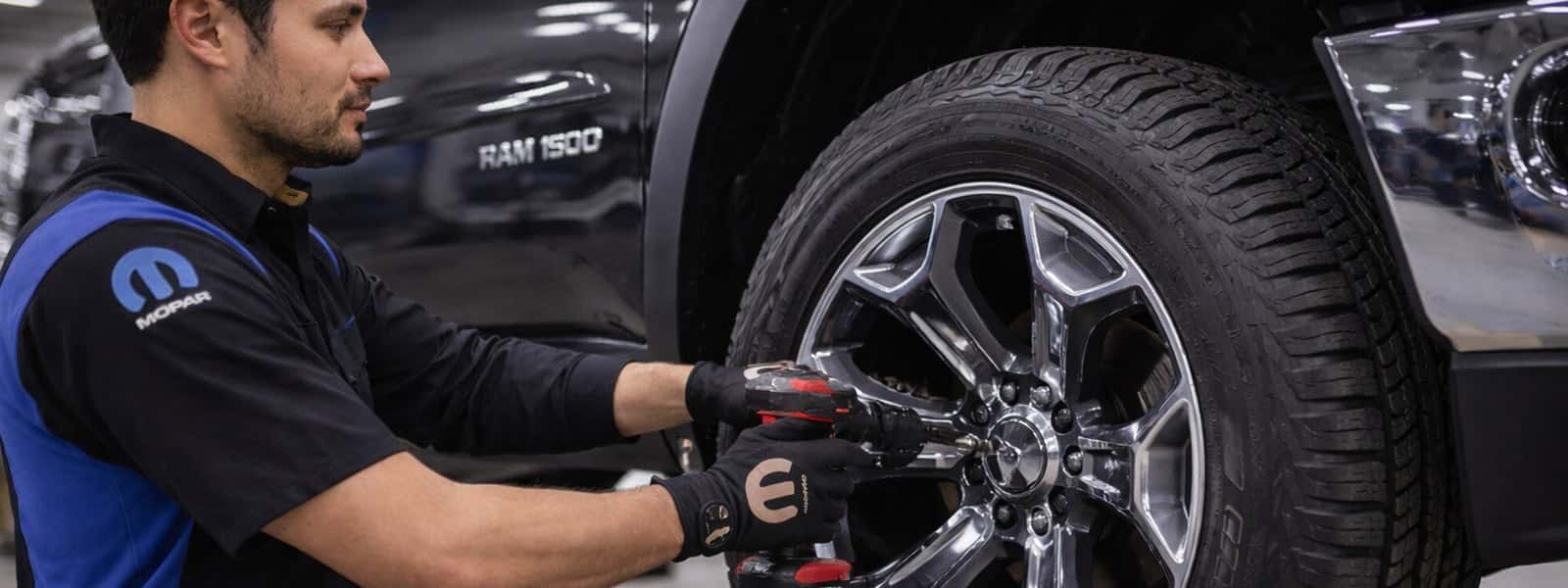
Performance Dodge Chrysler Jeep Ram, located at 6100 US-84 in Ferriday, Louisiana, provides complete tire care from routine rotations to full replacement when the time comes. Our technicians check tread depth and wear patterns at every visit, catching problems before they become bigger alignment or suspension issues. We stock a wide range of correctly specified tires matched to your vehicle and the way you actually drive. Call (318) 757-6700 or schedule tire service online, and let our team keep your tires ready for whatever Louisiana roads throw at them.
Most manufacturers recommend rotating tires every 5,000 to 7,500 miles, often timed alongside an oil change, to keep wear balanced across all four positions. Front and rear tires typically wear at different rates depending on the vehicle’s drivetrain, which is exactly why rotation matters. Sticking to a regular rotation schedule can meaningfully extend the life of a tire set.
The correct pressure is printed on a sticker inside the driver’s door jamb, not on the tire itself, and it’s specific to your vehicle rather than the tire brand. Checking pressure monthly, and especially before long trips, helps maintain even wear and predictable handling. Louisiana’s summer heat can cause pressure to fluctuate more than drivers expect.
Tread depth is the clearest indicator, and most tires include built-in wear bars that become flush with the surrounding tread once replacement is necessary. A quick trick is to place a penny into the tread with Lincoln’s head down; if the top of his head is visible, the tread is too shallow. Cracking, bulging, or exposed cords are additional signs that shouldn’t be ignored.
Yes, misaligned wheels cause tires to wear unevenly, often concentrated on one edge, which shortens their usable life considerably. This kind of wear tends to develop gradually, often traced back to a pothole strike or normal wear on suspension components. Periodic alignment checks help tires wear evenly and last as long as they’re built to.
Temperature swings cause the air inside a tire to expand or contract, which is a completely normal physical response rather than a sign of a leak. In a place with big daily temperature shifts, that can mean a noticeable pressure difference between a cool morning and a hot afternoon. Checking pressure regularly rather than relying on a single reading provides a more accurate picture.
Mismatched tires, whether in tread pattern, size, or wear level, can create inconsistent handling from one corner of the vehicle to another. That inconsistency becomes most noticeable in wet conditions or during sudden braking. Replacing tires in matched pairs or full sets helps keep handling predictable.
A puncture in the tread area can often be safely repaired if it’s caught early and hasn’t caused additional damage. Punctures located in or near the sidewall typically can’t be repaired safely and call for full tire replacement instead. Getting any puncture inspected right away is the safer approach either way.
A vibration at highway speed is most often caused by a tire that’s out of balance, though a bent wheel or worn suspension component can produce similar symptoms. This kind of imbalance tends to worsen gradually and can accelerate wear on tires and suspension parts alike. A technician can pinpoint the exact source with a quick inspection.
All-season tires generally perform well across the mild-to-warm conditions common in this area, offering a solid balance of grip, comfort, and tread life. They’re not built for heavy snow or ice, but that’s rarely a concern for most drivers here. A technician can help match tire choice to your specific driving habits and typical routes.


