



Performance Dodge Chrysler Jeep Ram
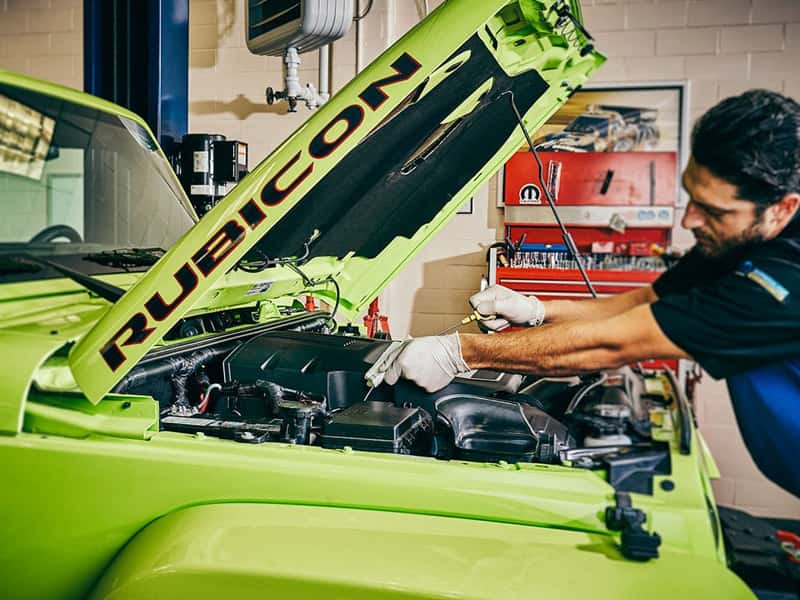
Louisiana’s heat and humidity place extra demand on engine oil, breaking down its protective properties faster than milder climates typically allow. Performance Dodge Chrysler Jeep Ram keeps oil changes efficient for drivers across Ferriday by using the correct oil grade and filter for each vehicle. Our technicians service Jeep, Dodge, Ram, and Chrysler vehicles with the same careful attention, following manufacturer-recommended intervals rather than rough estimates. Keeping up with oil changes is one of the simplest ways to protect your engine and avoid costly repairs later on. It’s an easy service to schedule and one that pays dividends over the life of your vehicle.
Engine oil does far more than lubricate moving parts; it also carries heat away from critical components, suspends contaminants until the filter can trap them, and helps maintain the seal around pistons that keeps compression where it needs to be. As oil breaks down over time and mileage, it gradually loses these protective qualities, allowing friction and heat to build inside the engine. That breakdown accelerates further in hot climates, where engines already run warmer and oil has to work that much harder. Fresh oil directly supports engine longevity, fuel efficiency, and overall performance, making it one of the most important maintenance items on any vehicle.
A dashboard reminder light is the most obvious cue, but several physical signs often show up before that warning ever appears. Oil that looks dark, gritty, or sits low on the dipstick has likely lost much of its protective ability. A louder-than-normal engine, reduced fuel economy, or a faint burning smell can all point to oil that’s overdue or running low. Continuing to drive on old oil increases friction and heat inside the engine, accelerating wear on parts that are far more expensive to repair than a routine oil change would ever cost. Catching these warning signs early keeps a small maintenance task from turning into a major engine repair.
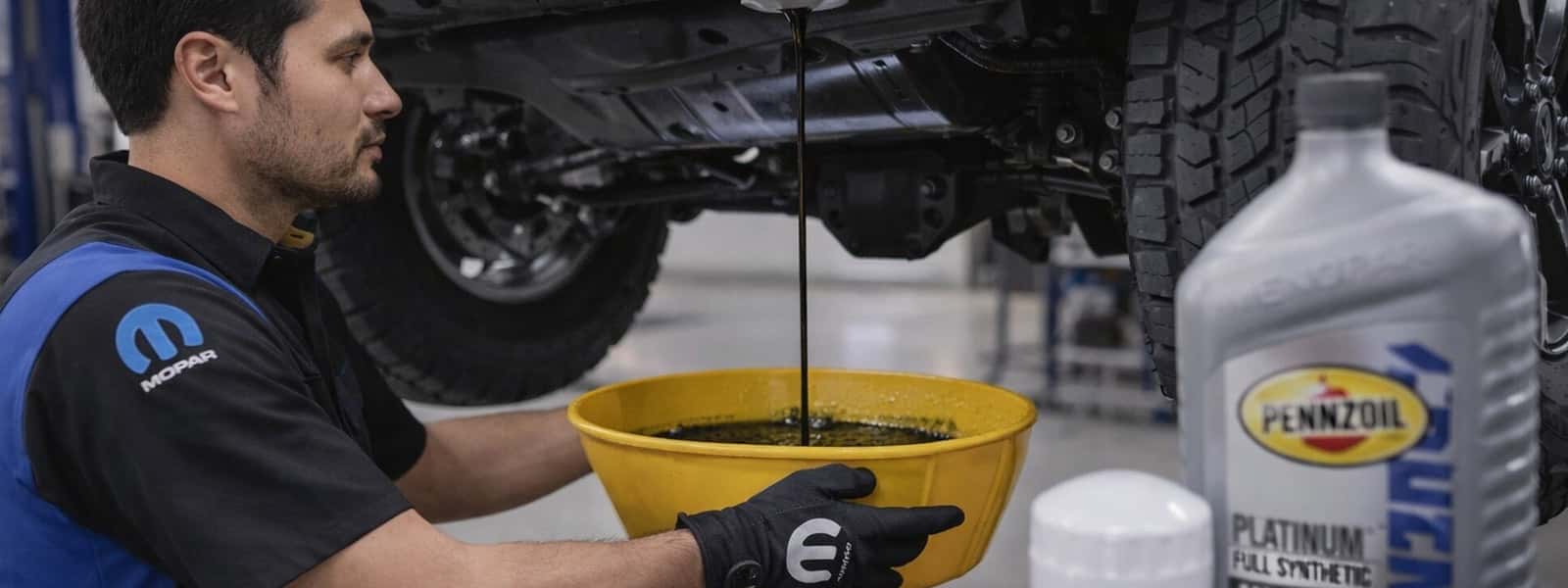
Performance Dodge Chrysler Jeep Ram, located at 6100 US-84 in Ferriday, Louisiana, keeps oil changes fast, convenient, and done correctly every time. Our certified technicians use manufacturer-approved oil and correctly specified filters matched to your vehicle’s exact requirements, giving your engine the protection it was built around. We understand an oil change shouldn’t eat up your entire afternoon, so our team moves efficiently without ever cutting corners. Call (318) 757-6700 or schedule an appointment online to keep your engine protected through Louisiana’s toughest driving conditions.
Most vehicles still need an oil change every 5,000 to 7,500 miles with conventional oil or up to 10,000 miles with full synthetic, though extreme heat can shorten that window somewhat. Frequent short trips or heavy air conditioning use also add extra strain. Checking your owner’s manual or asking a technician is the most accurate way to get a recommendation for your vehicle.
Conventional oil comes directly from refined crude, while synthetic oil is engineered for a more consistent molecular structure that holds up better under extreme heat and cold. Synthetic oil generally lasts longer between changes and offers stronger protection against wear. Many newer engines are designed with synthetic oil in mind from the factory.
Skipping a change allows oil to keep breaking down, gradually losing its ability to properly lubricate and cool engine components. This generates friction and heat inside the engine, accelerating wear on pistons, bearings, and other moving parts. Over time, neglected oil changes can lead to sludge buildup, shortening the engine’s lifespan.
It does. Engines are engineered around specific oil viscosities and formulations, so using something other than what’s recommended can affect performance, fuel efficiency, and long-term reliability. It may also impact warranty coverage on newer vehicles. Sticking with the manufacturer-approved oil grade is always the safer choice.
Oil naturally darkens as it absorbs combustion byproducts and contaminants while circulating through the engine, and that color change alone doesn’t mean it’s lost effectiveness. Darkening within the first few hundred miles after a change is completely normal. Mileage since the last change is a far better indicator than color when deciding if an oil change is due.
Yes, every oil change should include a fresh filter, since a filter left in place continues collecting contaminants that eventually restrict flow and reduce filtration. Pairing a new filter with fresh oil ensures the entire lubrication system is working with clean oil from the start. Skipping the filter undercuts much of the benefit of the oil change itself.
Yes, gradual consumption or a slow leak can drop oil levels enough to cause damage before a dashboard warning ever triggers, especially on vehicles with sensitive engine components. Checking the dipstick periodically between service visits helps catch a slow oil loss early. This becomes even more important as a vehicle accumulates higher mileage.
Yes, towing and hauling put considerably more strain on the engine, generating extra heat that breaks oil down faster than typical daily driving. Drivers who tow regularly often benefit from shortening their oil change interval below the standard recommendation. A technician can help build a maintenance schedule around your specific use case.


